
Automotive Embedded Systems Handbook – A Complete Guide to Vehicle Safety Systems

Modern vehicles are no longer defined solely by their engines and mechanical components. Instead, they are becoming highly sophisticated electronic platforms built around automotive embedded systems. These systems are responsible for everything from vehicle safety systems such as ABS and airbags, to advanced automotive diagnostics software and ECU programming tools that keep modern cars running efficiently.
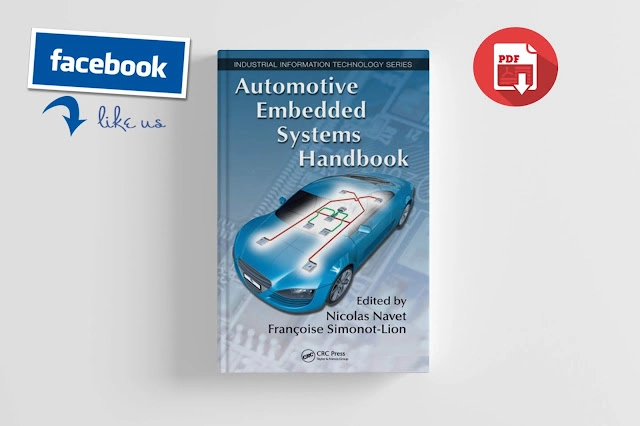
The Automotive Embedded Systems Handbook offers a comprehensive overview of current and future electronic systems in vehicles, covering architecture, communication, safety, and engineering methodologies. Developed with contributions from experts, the handbook highlights both the present and future of embedded technology in the automotive world.
This article explains the core ideas of the handbook, breaks down its main sections, and provides a free download link at the end.
Why Automotive Embedded Systems Are Critical
Automotive embedded systems are the hidden intelligence behind today’s vehicles. Unlike older vehicles that relied heavily on mechanical control, modern cars rely on networks of ECUs (Electronic Control Units), sensors, actuators, and software to function.
Key Functions of Automotive Embedded Systems
- Powertrain Control – Engine management, fuel injection, emissions control.
- Vehicle Safety Systems – ABS, ESP, airbags, collision detection, ADAS.
- Comfort and Infotainment – Climate control, multimedia, navigation, connectivity.
- Diagnostics and Repair – Using automotive diagnostics software to identify and fix issues.
- ECU Programming Tools – Updating firmware, calibrating functions, and enabling new features.
👉 See also: ECU Repair and Programming Guide.
Main Topics Covered in the Handbook
The Automotive Embedded Systems Handbook is structured into several chapters, each dedicated to a different area of embedded automotive technology.
1. Vehicle Architecture Inside the Car
Modern cars are packed with 20 to 100 ECUs that must communicate reliably.
- Centralized vs. Decentralized Architectures: Centralized systems reduce redundancy but require strong processing, while decentralized systems distribute functions.
- Domain Controllers: Grouping ECUs by function (e.g., powertrain, safety, infotainment).
- Networking Inside Cars: CAN bus, LIN bus, FlexRay, and automotive Ethernet.
💡 Example: Pressing the brake pedal triggers the brake ECU, which communicates instantly with the ABS and stability control ECUs via the CAN network.
👉 Related: Car Wiring Diagrams Explained.
2. Multi-Party Development Processes
Automotive embedded systems are rarely developed by a single company. Instead, they involve collaboration between OEMs, suppliers, and software developers.
- Subsystem Integration: Combining components from different manufacturers.
- Product Line Management: Designing systems that can scale across multiple vehicle models.
- Collaborative Engineering: Ensuring safety and performance when integrating external suppliers.
📌 Bosch plays a key role in ensuring standardization across global automotive suppliers.
3. Software Engineering Methods
Software is the backbone of modern automotive technology. The handbook explains engineering methodologies such as:
- Model-Based Design (MBD) – Simulating systems before implementation.
- AUTOSAR Standards – Ensuring interoperability between software and hardware.
- Real-Time Operating Systems (RTOS) – Guaranteeing performance for critical safety tasks.
- Continuous Integration/Testing – Validating software reliability throughout development.
4. Embedded Communication Systems
Communication protocols allow embedded systems to interact with each other and with external devices.
- CAN Bus: Reliable, low-cost communication for engine and body systems.
- FlexRay: High-speed communication for safety-critical functions.
- MOST Bus: Multimedia and infotainment data transfer.
- Automotive Ethernet & 5G: Enabling autonomous driving and OTA (over-the-air) updates.
👉 Related: Electrical Schematics.
5. Safety and Reliability Assessment
Safety and reliability are at the heart of every automotive system.
- ISO 26262 Standard – Functional safety guidelines for electrical and electronic systems.
- ASIL (Automotive Safety Integrity Levels) – Measuring risk in automotive components.
- Redundancy Systems – Backup systems for brakes, steering, and ADAS.
- Cybersecurity – Protecting connected cars from hacking.
💡 Example: In autonomous driving, redundant braking and steering systems ensure the car can stop safely even if one ECU fails.
Practical Applications of Embedded Systems
The handbook is not just theory; it shows how embedded systems are applied in real cars.
- Vehicle Safety Systems – Airbags, adaptive cruise control, collision avoidance.
- Automotive Diagnostics Software – Tools like Bosch KTS, Autel, and Launch for error detection.
- ECU Programming Tools – Used to flash firmware, unlock hidden features, or recalibrate performance.
- Car Maintenance Tips – Early detection of electronic issues can prevent costly breakdowns.
👉 Also read: ECU Repair and Programming Guide.
Benefits of the Automotive Embedded Systems Handbook
- Educational Resource – Ideal for students, trainers, and engineers.
- Diagnostic Assistance – Helps mechanics understand embedded communication.
- Business Value – Insight into product lifecycle management and supplier collaboration.
- Safety Knowledge – Explains how vehicle safety systems are designed and tested.
- Future-Oriented – Covers trends like EVs, ADAS, and autonomous driving.
Monetization Angle – High-CPC Keywords in Context
This handbook directly connects to high-value areas:
- Automotive Diagnostics Software – Detecting and repairing ECU faults.
- ECU Programming Tools – Essential for performance tuning and updates.
- Vehicle Safety Systems – Airbags, lane assist, collision avoidance.
- Best Car Insurance – Advanced safety systems can lower premiums.
- Car Maintenance Tips – Proactive diagnostics help reduce long-term costs.
Frequently Asked Questions (FAQ)
Q1: What is the purpose of the Automotive Embedded Systems Handbook?
A: To provide a detailed overview of vehicle electronics, including architecture, software, safety, and communication.
Q2: Does the handbook cover ECU programming?
A: Yes. It explains ECU design and the use of ECU programming tools for calibration and updates.
Q3: Can mechanics benefit from the handbook?
A: Absolutely. It explains how to use automotive diagnostics software and understand embedded communication.
Q4: How does the book cover vehicle safety systems?
A: It details safety standards (ISO 26262), redundancy, and testing for ABS, airbags, and ADAS.
Q5: Where can I download the handbook?
A: A free download link is provided at the end of this article.
Conclusion
The Automotive Embedded Systems Handbook is an essential reference for anyone working with modern cars. From vehicle safety systems and ECU programming tools to automotive diagnostics software, it explains the technologies shaping the vehicles of today and tomorrow.
By reading this handbook, you gain a clear understanding of automotive architectures, communication standards, and safety requirements. Whether you are an engineer, technician, or enthusiast, this guide equips you with knowledge that is practical, reliable, and future-proof.
👉 Download your free copy today and expand your automotive expertise.
📥 Download Link
Download Automotive Embedded Systems Handbook (Free PDF)