

Ultimate Tire Size Guide: How to Choose the Perfect Rims and Tires Like a Pro

Have you ever looked at your car and wondered, “Are these tires actually the best fit for my driving style?” Or perhaps you’ve been tempted by a set of massive, sleek rims but worried they might compromise your car’s performance or safety? You’re not alone. Choosing the right tire and wheel size is not just a matter of aesthetics-it is a precise engineering science that dictates your safety, fuel efficiency, and ride comfort, especially in the demanding climates of the UAE, Qatar, and Saudi Arabia.
In this comprehensive guide, we will decode the language of tires and show you how to use world-class tools like Wheel-Size.com to transform yourself into a technical expert in seconds.
Why Tire Size Accuracy Matters (Beyond the Rubber)
Driving in the intense heat of the Middle East puts immense pressure on your vehicle’s rubber. Selecting the wrong size isn’t just a visual mistake; it can lead to:
- Speedometer Inaccuracy: A larger tire diameter means your speedometer will read slower than your actual speed.
- Increased Fuel Consumption: Wider tires create more rolling resistance, costing you more at the pump.
- Suspension Strain: Unapproved wheel offsets can put unnecessary stress on your bearings and struts.
Decoding the Sidewall: What Do Those Numbers Mean? (e.g., P215/65R15
The sidewall of your tire is essentially its “ID Card.” Let’s break down a typical code:
- P: Stands for Passenger vehicle.
- 215: The width of the tire in millimeters.
- 65: The Aspect Ratio (height as a percentage of width).
- R: Radial construction.
- 15: The diameter of the wheel (rim) in inches.
Pro Tip: In Gulf countries, always check the Traction and Temperature ratings. Look for Temperature A to ensure your tires can handle the scorching asphalt during summer.
Wheel-Size.com: The Secret Tool of the Professionals
Instead of guessing, professionals use a global database that is considered the “Bible” of the automotive industry: Wheel-Size.com.
Why This Tool is a Game Changer:
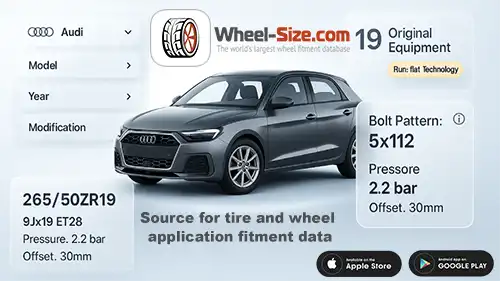
- Search by Vehicle: Enter your car’s make, model, and year to find the exact OEM (Original Equipment Manufacturer) specifications.
- Advanced Fitment Calculator: If you want to upgrade from 17-inch to 19-inch rims, this calculator tells you exactly how it will affect your clearance and speedometer.
- Offset (ET) Data: It provides the critical “Offset” measurement, ensuring your new wheels don’t rub against the fenders or brake calipers.
The Best Wheel Mounting App on the Market
For those who need these technical insights on the go, the Wheel Size App is an indispensable “Digital Toolbox.” It is widely recognized as the most reliable mobile resource for tire fitment.
- World’s Largest Database: Access a massive fitment library that is updated daily to include 2025 and 2026 models.
- Le Calculateur le Plus Avancé: It features the most advanced tire/rim size calculator available, providing millimetric precision.
- Fast and Reliable (Rapide et Fiable): Get instant technical data while standing in the garage or at the dealership.
- Constant Improvements: The app is “constamment améliorée” with exciting new features to stay ahead of automotive trends.
Official Download Links:
- Android (Google Play): Download Wheel Size for Android
- iOS (App Store): Download Wheel Size for iPhone
Scan QR code to get our app on Google Play or AppStore:

Up-Sizing Rims: When is “Bigger” a Bad Idea?
While large rims provide a sporty, aggressive look, they often come with “Low Profile” tires.
- Pros: Better handling and cornering stability.
- Cons: Stiffer ride (you’ll feel every bump) and higher risk of rim damage from potholes.Technical Rule: Never exceed a 3% difference in total diameter from the original factory size to maintain safety and ABS functionality.
FAQ: Frequently Asked Questions
Q: Can I put wider tires on my existing rims?
A: Yes, but only within the “Rim Width Range” specified for that tire. Too wide, and the tire will bulge; too narrow, and it will stretch dangerously.
Q: How do I know the age of my tires?
A: Look for the DOT code. The last four digits (e.g., 1525) mean the tire was made in the 15th week of 2025. In hot climates, never use tires older than 5 years.
Conclusion
Your tires are the only point of contact between your car and the road. Investing a few minutes in using a Tire Size Guide and the Wheel Size App is an investment in your safety and your vehicle’s longevity. Whether you are in Riyadh, Dubai, or Doha, make sure your “fitment” is perfect before you hit the road.
